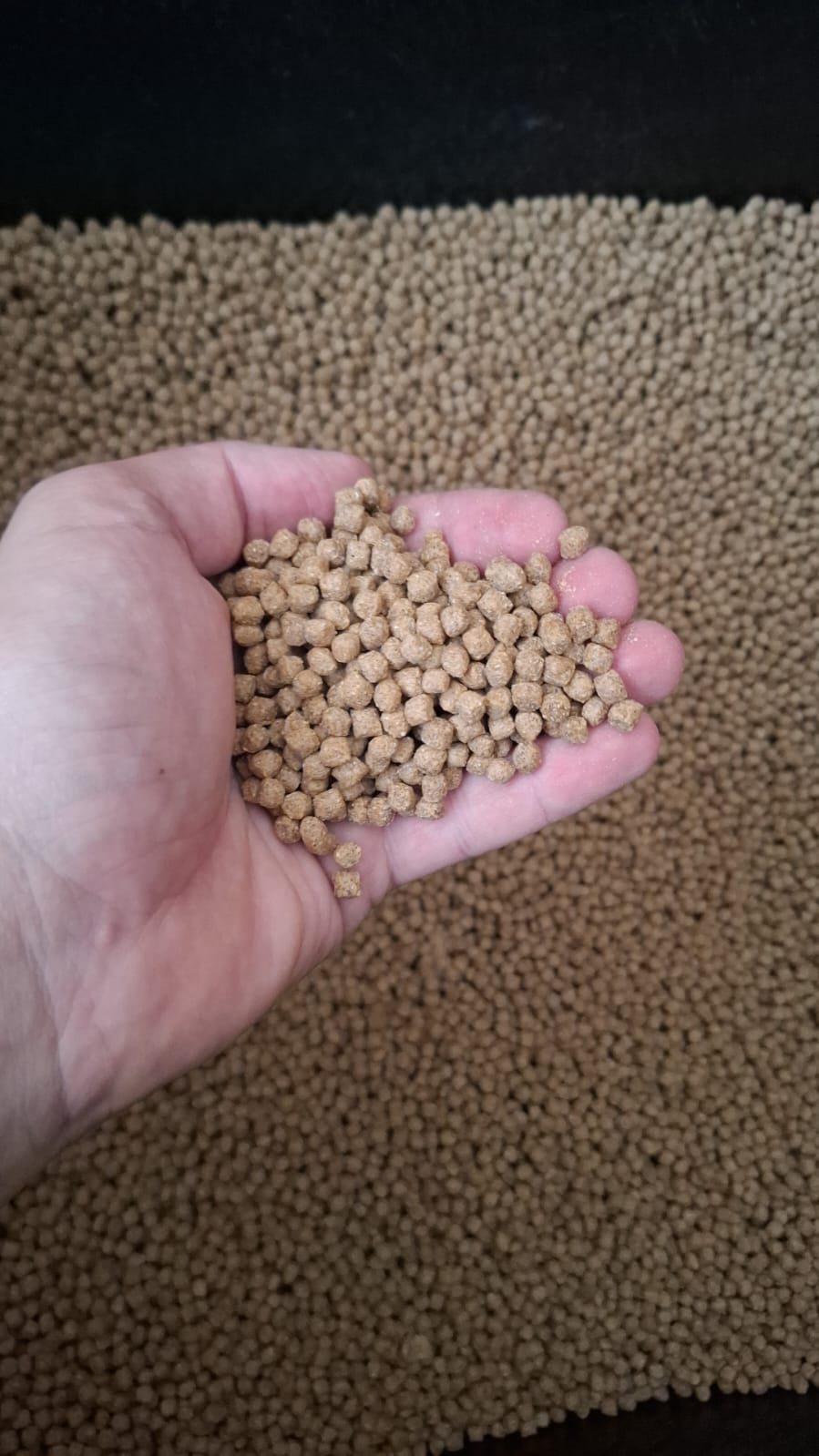
Our Crushed Maize Feed is a versatile, energy-dense grain perfect for chickens, pigeons, ducks, and other grain-eating birds. It’s an ideal base or supplement to a mixed diet, supporting weight gain, egg production, and overall vitality.
This product consists of coarsely ground yellow maize (corn), making it easier for birds to digest compared to whole maize, especially for younger or smaller birds.
🌽 Key Features:
- High in carbohydrates for energy
- Easy to mix with other feeds
- Suitable for backyard flocks, pigeons, and wild birds
- Sun-dried and locally milled for freshness
- Clean and dust-reduced to minimise feed waste
🚚 Delivery: Available across Gauteng & North West
Whether you’re a hobbyist or small-scale poultry farmer, this crushed maize offers reliable nutrition at an affordable price.
Feeding Instructions:
- Feed as a supplement, not a complete diet.
- Poultry (chickens, ducks): 50–80g per bird daily, alongside layers mash or pellets.
- Pigeons: 20–30g per bird daily, mixed with other grains or seeds.
- Scatter on the ground or feed from clean troughs or containers.
- Always provide clean water and shelter when feeding.
- Store feed in a dry, cool place to prevent spoilage or pest infestation.